1

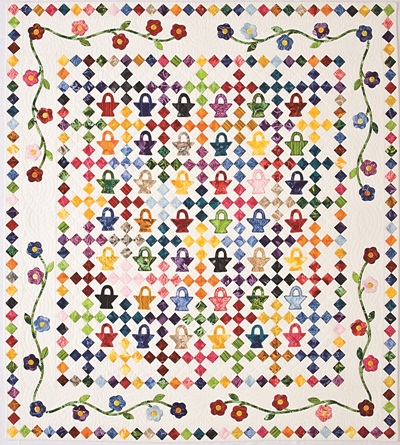
This is one of the few quilts in the top 100 made by a man.  It was made by Carl Klenicke in 1900 as a wedding gift for his daughter.  Carl was a tailor and he most likely made the quilt from elegant dress fabric scraps from his shop.  It even includes fabric made from women's veils.  It is thought that the two horses in the center of the quilt represent Carl's home country, Germany.  It is also believed that many of the motifs in the quilt had special meaning to, Laura, Carl's daughter.  It is 72" x 60."

Wedding Quilt 1 - 90 pieces - non-rotating

Wedding Quilt 2 - 90 pieces - rotating

3634_wedding_quilt_1_embed.jpg


  0

The folks at Mancuso Show Management were kind enough to send over photos from one of your their latest shows, the Mid-Atlantic Quilt Festival XXII - Quilt Competition "Show & Tell"  For those of you who didn't get to attend the show, here's your chance to get a glimpse of what went on and what you missed. You'll see quilts from some friends of TQS like Pat Holly and Annette Hendricks. Maybe next year, we'll be seeing you there.

If you'd like to see more winning entries, click here. Thank You to Mancuso Show Management!


  0

Superior Threads and Cindy Needham discuss the importance of the Fabulous Four. Her four top tips for Thread Delivery, Correct Tension, Needles, and Bobbins.

Cindy also has some great tips on the proper way to clean your machine.  Get your pipe cleaners ready.  Learn how to solve 90% of your thread problems by watching this video. Thanks Cindy!  

To learn more about Cindy, watch Episode 202: Antique Linens and Textile Revival where she shares her techniques and ideas to revitalize antique linens.

                                                         3644_cindys_show_1.png

  1

You know about rotary cutters, glass head pins, and acrylic rulers, but what do you know about porcupine quills and X-ray machines?

The Quilt Show asked their Facebook friends, "What tool or product - something from a totally different hobby - have you found works great for quilting?

Here are some of the highlights in no particular order. If you have used some of these tools or know where to get them - submit a comment and share what you've learned, e.g. where do you get an x-ray pencil or porcupine quill?  Keep reading until the end, you'll love those tips.

  • Carpenters T-Square
  • Bamboo skewers work great for pushing fabric under the needle of the sewing machine
  • Paint for doing eyes and noses
  • Peep hole-gives great perspective of your quilt before you sew your blocks together - should probably use it before you install it in the door.
  • Transfer-Eze
  • Needlepoint laying tool as a stiletto
  • Photographer's vest - keeps frequently used tools handy, particularly in class
  • A knitting needle for pushing out points
  • Chop stick to poke out corners
  • Pizza boxes to keep projects together - clean ones
  • Cricut machines for cutting fabric
  • Bamboo spoon with a round handle for turning bias tubes
  • Two doorstops to tilt your sewing machine forward
  • Acrylic drafting triangles - especially the big right triangle makes "truing up" cross fabric cuts a breeze
  • Sandpaper-when I have to trace on fabric, I put the fabric on the sandpaper (rough side up) and it helps to keep the fabric from moving around while I pencil in a quilting line, or draw a shape
  • Needle nose pliers to pull the needle when hand quilting
  • Computer
  • X-ray marking pencil works great on all colors of fabric and washes off easily
  • I use Glad Press & Seal to place my applique pieces in the correct position on my applique projects. I trace the pattern on the Press & Seal and then stick the fabric on the "sticky" side and lay it over the background. I then carefully peel the Press and Seal off taking care to hold my applique piece in place. Then I pin and sew the applique in place. It will last for as long as I need to finish a project
  • Blue painter's tape to keep track of which end should be up. It's also great for putting a block on a bare wall when I don't have my design wall handy. ;) A light box from my painting days to design transfers.
  • you'll laugh...but I use hand weights as an extra aid to help me keep fabric from shifting when cutting. (The ten pounders are awesome for this) I use those whenever Hubby sneaks in and steals back his sandpaper.
  • Pool noodles for rolling quilts
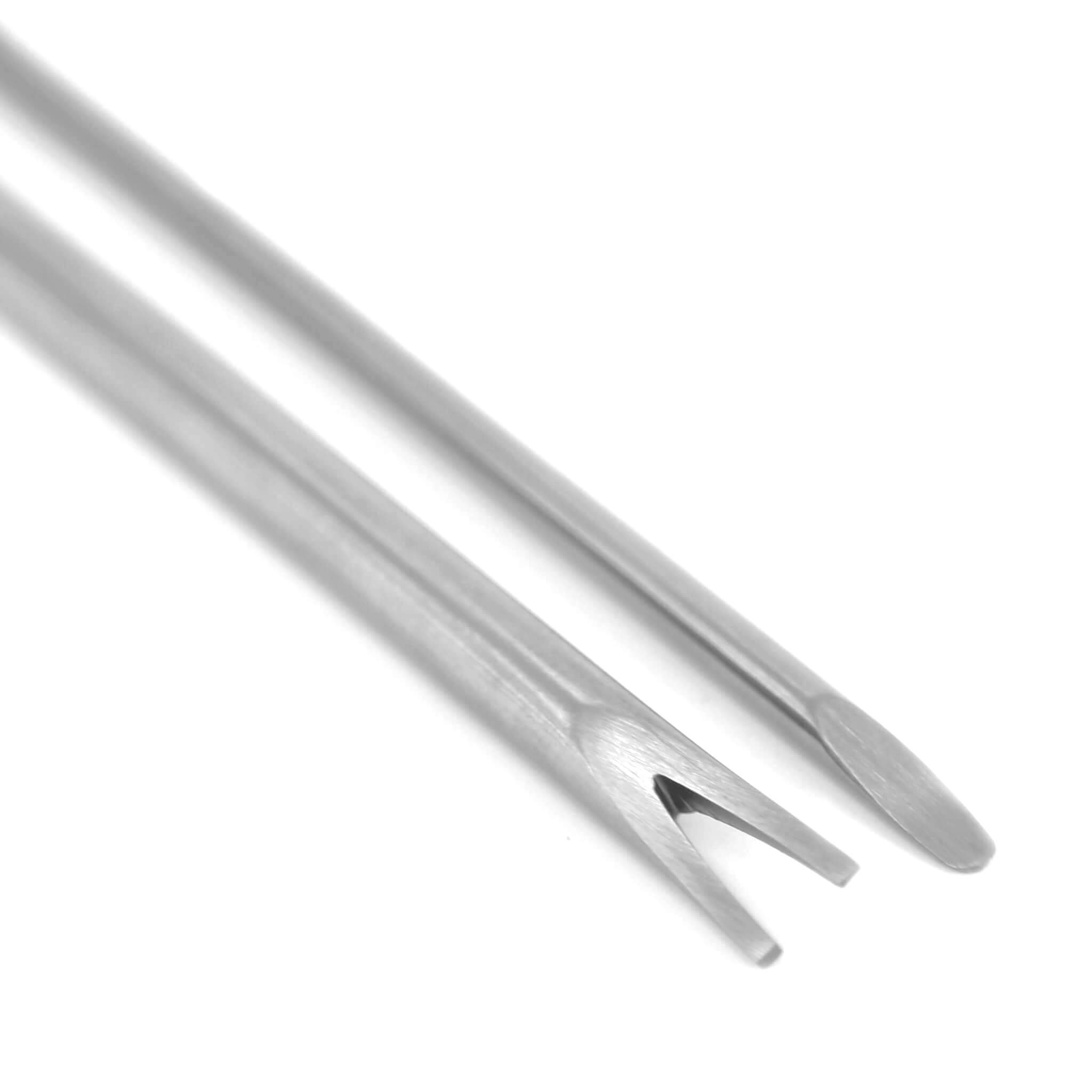
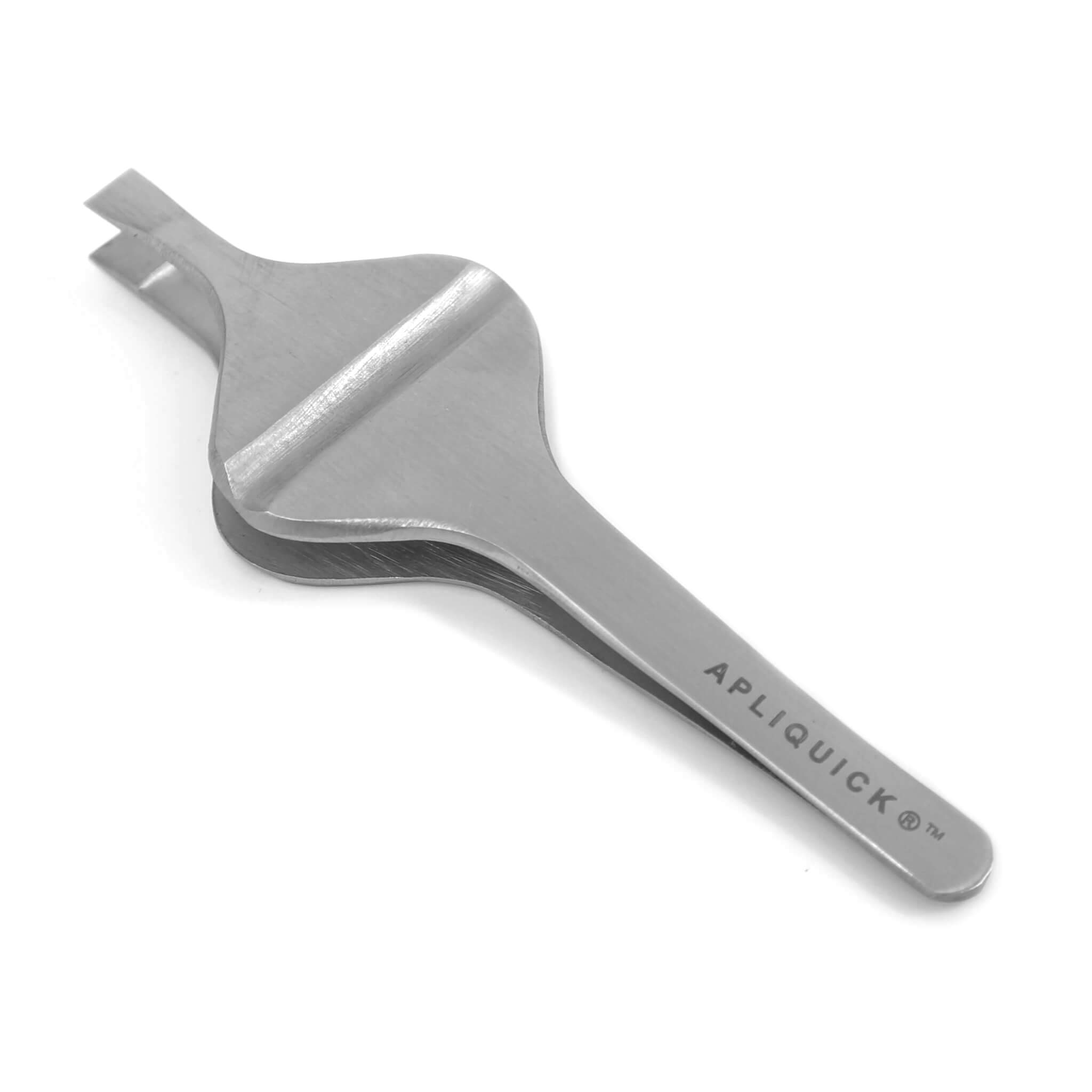
  • Always looking for things outside of the box to use for notions. Fat fuzzy pony tail bands work great for securing bobbin thread for storage. Found a eyebrow groomer that makes a great seam ripper at the local Walmart.
  • My husband made me a light box table which is an ideal height for me (36") for my Stained Glass work. The grid is 24" x 36". When I want to draw/trace quilt patterns. I empty the grid (in case there are any shards of glass) and flip it over to its solid back.
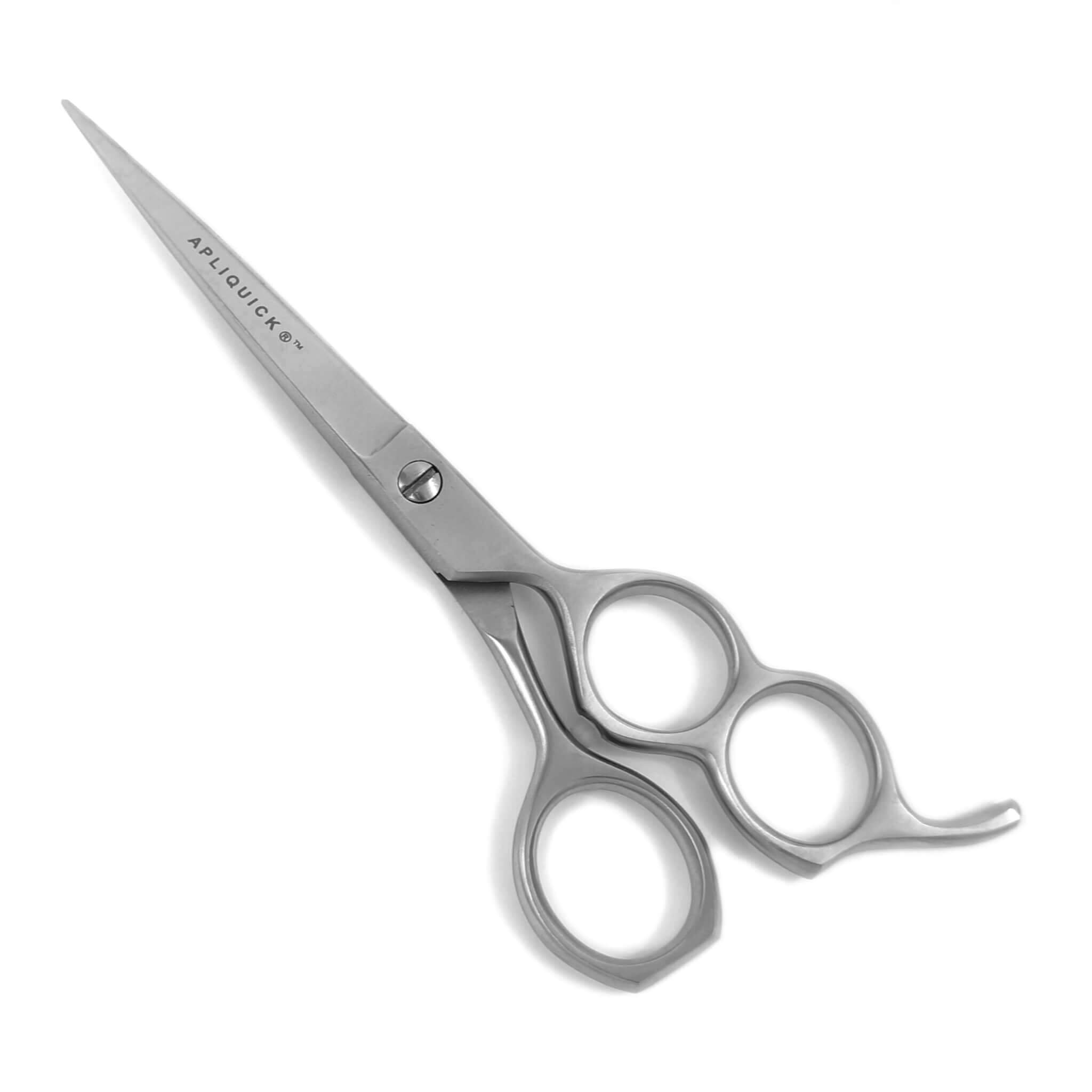
  • I use medical scalpels in place of a seam ripper
  • Circle templates from the office supply
  • Chopsticks to help hold seams while pressing and turning fabric inside out
  • hemostats to hold fabric...kinda like using tweezers...works great when sewing curves together...and if you are making dolls or critters i use acrylic paint for eyes...and blush or rouge to brush on for cheeks. I love camping and so what I originally bought for our camper never made it to the camper...was a picnic caddy that holds your utensils and napkins...works AWESOME to hold all my gadgets...cutters, marking pens, scissors, hemostats...etc
  • Metal hairclips to help hold binding when sewing down by hand
  • Adding machine paper tape works great for folding into the right sizes for quilting evenly especially on a border
  • I used press and seal to hold rows of squares together-in little piles once, when I didn't have any zip lock bags! Kind of like the picture on the box when they use it for hamburger patties
  • I have a friend that is a surgical nurse and she saves all the throw away tools they use in the operating room and then sterilizes them for me.....hydrostats, tweezers, scissors, etc. Knitting needles for turning and poking out corners. I use a Pampered Chef rotating tool caddy on my sewing table for holding all my scissors, rotary cutters, seam rippers and other tools
  • Pastry roller
  • Creative Memories circle and heart cutters for applique pieces
  • Scrapbooking glue works great to hold down bindings
  • I buy rolls of newsprint at the recycle center and use it to mask areas when I spray with 505, to make large patterns, to protect my ironing surface if I think a fabric might bleed, to entertain grandchildren
  • magnetic parts dish, keeps my pins all heads up and holds a lot of pins, plus archival safe glue stick
  • X-ray viewer makes a great tracing light box
  • I use my Cuttlebug and dies for cutting applique shapes
  • I also use the metal hairclips...but I roll the edge of my small projects like runners, etc and i clip them to hold the edge together when I'm quilting the project on my regular sewing machine to keep it out of the way.
  • I always ask for an extra set of chop sticks to punch out corners and today I found a new use for them. I had a quilt on my HQ table and used them as spacers from the edge of my table and groovy board in order to position the designs. I could have moved the quilt but I was tired of walking around the table. No seriously, I only needed that width
  • I like the plastic containers used for scrapbooking paper. They are 14" x 14" and fit a 12.5" square ruler and my Olfa rotating mat on top of my squares, keeps them pressed
  • A small paint brush to apply starch (or spray adhesive) to the edges of my appliques before turning them back. Months (years?) ago when Alex had that other show she mentioned using a skirt hanger for holding and storing the cutting mat.
  • Parchment paper works great between your iron and your ironing board when fusing. 
  • I use my mother's wooden wall paper roller to press my seams when I am paper piecing.           
  • Acrylic paints mixed with texile medium allows me to paint on my fabrics before I thread-paint. Watercolor pencils             
  • Templates from scrapbooking, I can draw shapes onto my quilt with disappearing ink and then follow the design with the long arm, like a heart and then feathers around it. I also use them for applique shapes.  
  • My husband's electric mustache trimmer (he gave it to me when I told what I wanted it for) to un-sew long seams. Runs fast, never nicks the fabric. I use my pressure foot on the machine to hold one side of the seam, and hold the other side in my left hand. then I run the trimmer along the inside of the seam, and voila!
  • An African porcupine quill for turning points and for poking holes!
  • Wine - makes that mistake completely invisible.


  0

Here's my take - if National Talk Like a Pirate Day (September 19th) - is now INTERnational Talk Like a Pirate Day - What is holding us down??? I think it is time to celebrate INTERNATIONAL Quilt Day - raise your hand if you vote yes - it's time for a serious movement.....

3653__dsc0327.jpg

  0

3652_iqsc.png

Have you always wanted to visit the International Quilt Study Center & Museum (see a recent article on the Marseille cloth exhibit)?  Well here is your chance.  The Arapahoe County Quilters (Colorado) Guild is planning a bus trip to Lincoln, Nebraska.  This is a fun and easy way to travel to an outstanding museum, get a behind the scenes tour, meet other quilters, AND participate in Shop Hops on the way there and back.  And the best part of all--you don't have to do the driving!!

Here are the details:

  • Dates:  April 29-May 1, 2011
  • Sponsored by Arapahoe County Quilters Guild
  • Shop hop stops on the bus to Lincoln and back
  • A "Behind the Scenes" tour of the International Quilt Study Center & Museum
  • Scheduled exhibits are Marseille:  White Corded Quilting and Nebraska Quilts & Quiltmakers
  • Registration is open to anyone
  • Cost $185-$320, depending on room occupancy (1-4 ppl.)
  • Cost includes:  bus fare, hotel room (2 nights), 2 breakfasts, IQSC admission & tour
  • Contact Angie Nofziger here for information and registration

Don't wait! Time is running out.  Deadline for registration is March 28, 2011.


  0

I never stood in line for concerts, ballgames, etc., but I need to be able to see what our iPad customers are seeing so.... (I do not own any Star Trek outfits!)


  0

3643_logcabin2.jpgThe 3rd Saturday of March is National Quilting Day (March 19, 2011).  It began as a resolution passed by members attending the National Quilting Association 22nd Annual Show in Lincoln, NE, in June of 1991.  It's been so much fun, that the observance of National Quilting Day has unofficially been expanded to include the whole month of March.

The National Quilting Association (NQA) has chosen to celebrate the 20th anniversary of National Quilting Day with a free project.  It is a log cabin variation designed by Barbara Harrell that you can use or share with your group to celebrate the day.

 3643_proj.jpg


According to the NQA, and here at TQS (where it is now International Quilt Day), there are many ways you can celebrate.

  • Make it a service day.  Make quilts for Project Linus or Quilts with Valor.
  • Organize a quilt exhibit at your local library which includes the history of quilting.
  • Learn how to give quilts to your local VA or military facility.
  • Contact your church to see if someone is in need of a little bit of quilting love.
  • Teach someone how to quilt - work with the 4-H, your local school, or your grandchildren.
  • Visit your favorite quilt shop.
  • Take a quilt class.
  • Contact a senior citizens home and give a presentation on the history of quilting, or have a show-and-tell of your quilts.
  • Give a quilt to the first baby born at your local hospital on International Quilting Day.
  • Watch ALL the TQS Legends shows for free here at TQS March 18-21.
3643_legends.jpg


  0

1553_bridge_of_life.jpg
Bridge of Life by Alex Anderson

Win an Alex Anderson Quilt & Ricky Tims La Veta Quilt Retreat to aid the Victims of the Japan Earthquake and Tsunami

*All Proceeds go to the Red Cross*-International Donors Can Write A Check in Their Local Currency

In light of the tragedy that has devastated Japan, we at TQS felt moved to contribute with the work of Alex's hands and the gift of learning from Ricky. Together we can make a difference for the people of Japan who have suffered so greatly. Let's celebrate the ability to help those in need, TQS style. Show your support to the victims of the Japan earthquake and tsunami by entering now to be eligible to win two great prizes for one lucky person.

Enter now to be eligible to win Bridge of Life, a quilt designed, pieced and appliqued by Alex Anderson, border by Gloria Smith and machine quilted by Paula Reid. This quilt has debuted in two books -- Sew with the Stars (P&B Textiles) and Alex Anderson's Machine and Hand Applique (C&T Publishing). This quilt will continue her journey of helping people in need.

Ricky has graciously offered one free tuition to a Ricky Tims Retreat in La Veta, CO, sometime in 2012. During this five day, ten-person retreat you will have the opportunity to study in an incredibly special environment with Ricky and foster your creative spirit.

The Quilt Show is sweetening the pot by throwing in $500.00 to help with transportation and lodging (to be reimbursed at the retreat).

3646_enter_to_win_0.png

  0

Verna Mosquera has designed many beautiful quilts for her company, The Vintage Spool. She manages to find ways to balance her time with her family, while creating lovely appliqué designs. These quilts have a romantic, timeless quality and you can lose yourself in the details. To learn more about Verna, watch Show 806: Having it All with Hand Appliqué

Click to play this Smilebox slideshow